
Zinc
Could You Be Lacking Zinc?
Slow healing, thinning hair, taste going off. The signs of low zinc, what the mineral does in the body and the foods that carry the most of it.
By Joy Pooley, RCN, RMW 1 min read
Updated
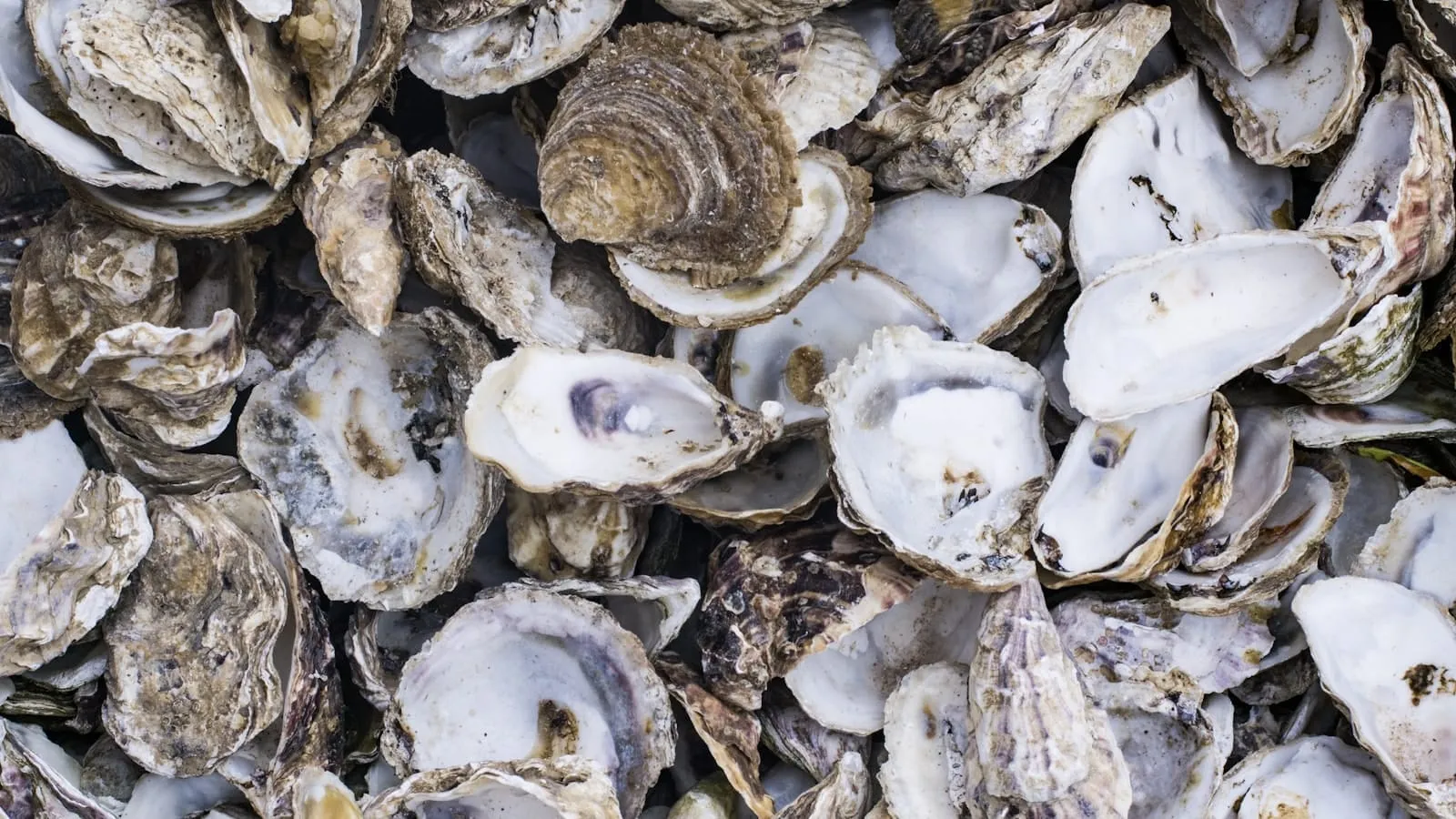
Zinc is one of the ones people rarely think about until something small stops working properly: a cut that takes too long, food that has gone flat on the tongue.
Signs you might be low
- Reduced appetite and/or diarrhoea
- Fatigue and slow wound healing
- Weakened immune response
- Hair thinning or loss
- Skin problems, including rashes, acne, or dermatitis
- Loss of taste or smell
- Difficulty with memory or focus
- Mood changes, such as irritability or depression
Taken one at a time these are all things that happen to everyone occasionally. It is the pattern that matters, not any single item on the list.
Why zinc matters
Zinc is an essential mineral that has a hand in a great many things. It is involved in:
- Growth and immune function
- Nervous system health and digestion
- DNA synthesis and protein production
- Skin repair, and more than 300 other processes in the body
Where you get it
Your body does not make zinc, so all of it comes from what you eat. Good sources include:
- Shellfish, red meat, and poultry
- Nuts, seeds, and dairy products
- Vegetables like asparagus, peas, kale, and mushrooms
If this sounds like you
Most people get enough zinc from an ordinary mixed diet. Digestive problems, poor absorption, long stretches of stress or chronic illness can all make that harder, and those are worth a conversation with your GP rather than a guess. They can test, and they can rule out the other explanations first.
General information only, written by a registered nurse. It is not a diagnosis and it is not a substitute for advice about your own health. If something here sounds like you, talk to your GP or get in touch.