
Hydration
Hydration, and Why Your Cells Care So Much About It
Hydration is the foundation everything else runs on. What water actually does at cell level, why thirst is a late signal, and how to tell when you have fallen behind.
By Joy Pooley, RCN, RMW 2 min read
Updated
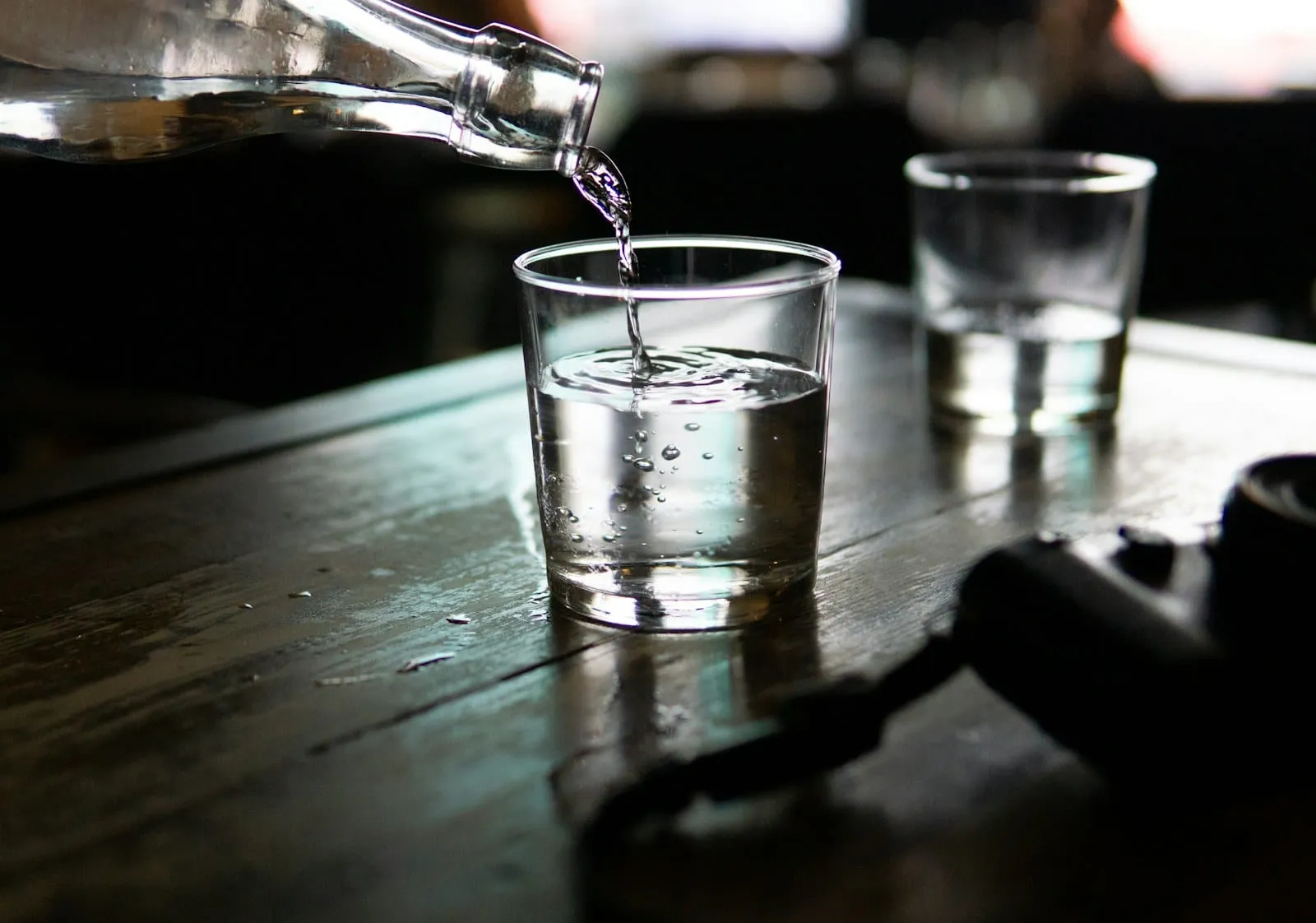
Hydration is the least interesting health advice anyone has ever been given, and it is also the one that quietly sits underneath everything else. Here is what is actually happening when you are behind on it.
What water does at cell level
Every cell in your body is running chemistry all day: producing energy, repairing itself, clearing what it does not need. Those reactions happen in water. When there is less of it around, everything slows, which is why mild dehydration feels like tiredness and a foggy head rather than thirst.
Three jobs in particular depend on it:
- Transport. Nutrients reach your cells dissolved in fluid. Less fluid, slower delivery.
- Clearing waste. Your kidneys need water to move waste out. This is what people mean by “flushing toxins”, and it is a plumbing problem, not a mystical one.
- Temperature and pressure. Sweating and blood pressure both draw on your fluid volume.
Thirst is a late signal
By the time you feel properly thirsty you are already behind. Better markers are the colour of your urine, which should be pale straw rather than dark, and how you feel mid-afternoon, which is when a slow morning tends to catch up with you.
Some people are running behind more or less permanently: shift workers, anyone on their feet in the heat, people who live on coffee, and older adults, whose thirst signal genuinely does weaken with age.
Fluid is not the whole story
Sweat carries minerals out with the water. If you have lost a lot, plain water refills the volume but not the balance, and the cramps and headaches carry on. Food does most of that work: fruit, vegetables, dairy and a normal amount of salt in your cooking.
Getting it right
Drink through the day rather than in one heroic effort. Eat food with water in it, which is most fresh food. Watch caffeine and alcohol, both of which shift fluid the wrong way. And if you are drinking plenty and still constantly thirsty, see your GP, because persistent thirst is a symptom worth checking rather than managing.
General information only, written by a registered nurse. It is not a diagnosis and it is not a substitute for advice about your own health. If something here sounds like you, talk to your GP or get in touch.