
Vitamin B-12
Are You Suffering from a Vitamin B-12 Deficiency?
Tired, tingling hands, foggy head? The signs of low vitamin B-12, who is most at risk of running short and where the vitamin actually comes from.
By Joy Pooley, RCN, RMW 1 min read
Updated
B-12 is the one I get asked about most, and it is also the one where guessing does the least good, because it is easy to test and the answer changes what you should do next.
Signs you might be low
- Persistent fatigue or weakness
- Pale or yellowish skin
- Tingling or numbness in hands and feet
- Problems with balance or coordination
- Blurred vision, mood swings, or dizziness
- A swollen or inflamed tongue
- Shortness of breath
- Heart palpitations
The tingling and the balance problems are the ones to take seriously. Nerve symptoms are worth seeing a doctor about promptly, whatever is behind them.
Why B-12 matters
B-12 is involved in:
- Cell metabolism
- Nerve function
- Red blood cell production
- DNA synthesis
Running low is more common in older adults, in vegetarians and vegans, and in anyone with a condition that affects how well they absorb nutrients.
Where you get it
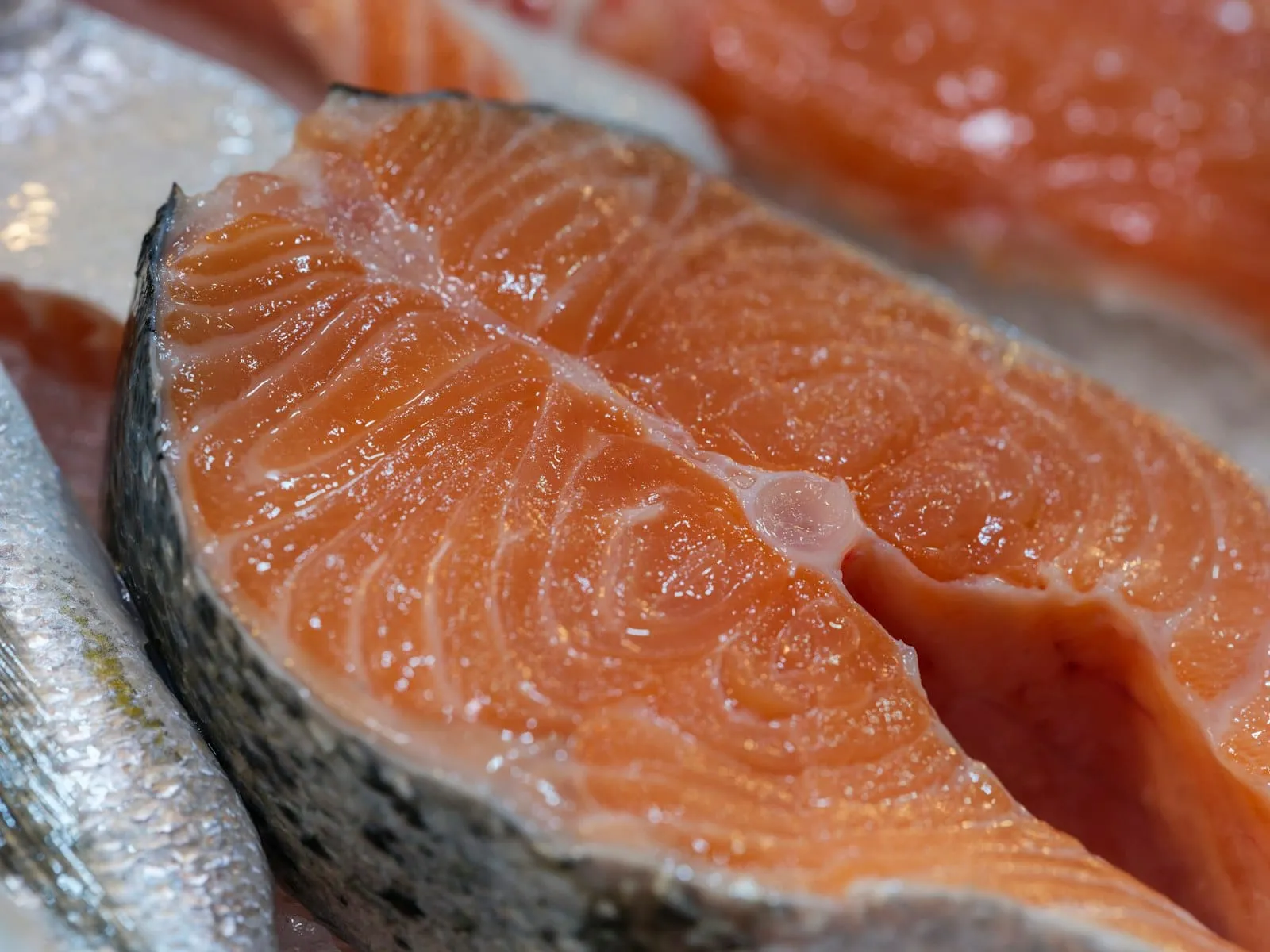
B-12 comes mainly from animal products: meat, poultry, fish and dairy. It is not naturally present in plant foods, so a plant-based diet needs a deliberate source, whether that is fortified food or a supplement.
Absorption is the other half of the story. Some people eat plenty and still run low, because their gut cannot take it up properly. That is a medical question, not a dietary one.
If this sounds like you
Ask your GP for a blood test. It is a common, inexpensive test, it gives you a real number instead of a hunch, and if you are low it tells you whether the problem is intake or absorption. Everything sensible you might do next depends on knowing which.
General information only, written by a registered nurse. It is not a diagnosis and it is not a substitute for advice about your own health. If something here sounds like you, talk to your GP or get in touch.