
Glutathione
Could You Be Deficient in Glutathione?
Your body makes its own master antioxidant, then spends it. What glutathione does, what runs it down and the food and lifestyle changes that support your own levels.
By Joy Pooley, RCN, RMW 2 min read
Updated
Glutathione is the one on this list you have probably never heard of, which is odd, because your body makes it in nearly every cell and depends on it constantly.
Signs you might be low
- Persistent fatigue or low energy
- Getting sick or picking up infections more often
- Headaches and skin problems
- Ongoing inflammation
- Brain fog or trouble focusing
- Muscle weakness or soreness
- Poor sleep quality
- Dizziness or lethargy
- Joint pain, rashes, and dry skin
- Low mood or disturbed sleep
Every one of those has other, more likely explanations. Glutathione levels are also not something you can measure at home or infer from a symptom list, so hold this loosely.
What glutathione does
It is often called the master antioxidant. It is a molecule your body builds from three amino acids, and it is involved in:
- Protecting cells from oxidative stress
- The liver’s handling of substances that need clearing
- Ordinary immune function
What runs it down
Your body makes its own, but the supply is not fixed. It tends to fall with:
- Ageing
- Chronic illness, including diabetes and cancer
- A poor diet and other nutrient shortfalls
- Environmental toxins and pollution
- Sustained stress and repeated infection
How to support your own levels
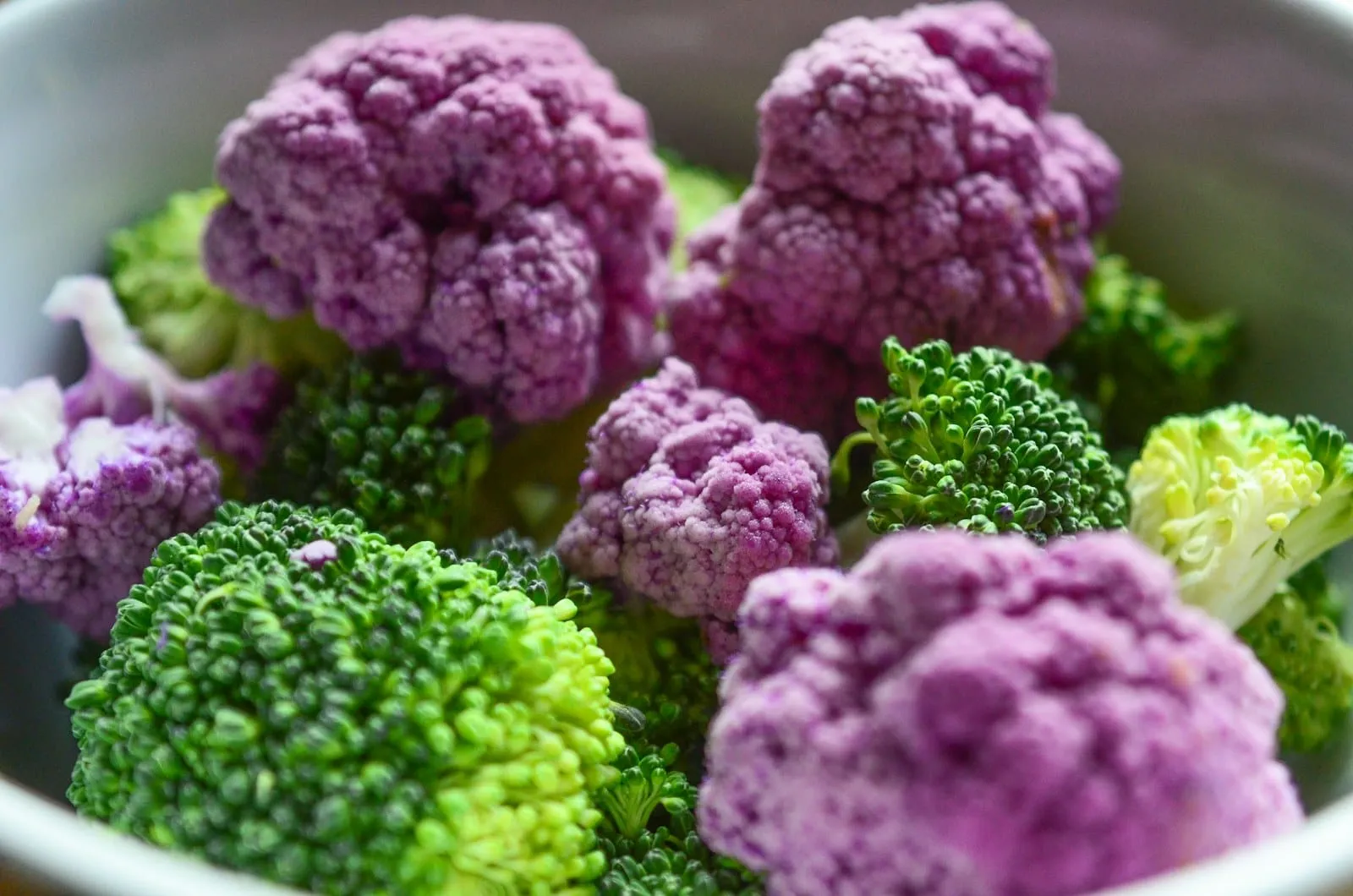
- Sulphur-rich foods: garlic, onions, and the brassicas (broccoli, cauliflower, Brussels sprouts)
- Lean protein such as chicken and fish, which supplies the building blocks
- Regular exercise
- Less exposure to environmental toxins where you have the choice
If this sounds like you
The list above is the sensible place to start, and none of it requires anyone’s permission. If the symptoms are persistent, see your GP. Long-running fatigue and recurrent infection deserve a proper look rather than a guess at one molecule.
General information only, written by a registered nurse. It is not a diagnosis and it is not a substitute for advice about your own health. If something here sounds like you, talk to your GP or get in touch.